Tears actually have three layers:
1) Mucous (closest to the eye) helps hold the tears onto the eye surface.
2) A thick water layer lubricates and carries nutrients
3) The thin lipid layer, produced by the meibomian glands, stops the tears evaporating and holds them upright. So while the oil layer is very thin it is vital in ensuring the eyes feel comfortable.
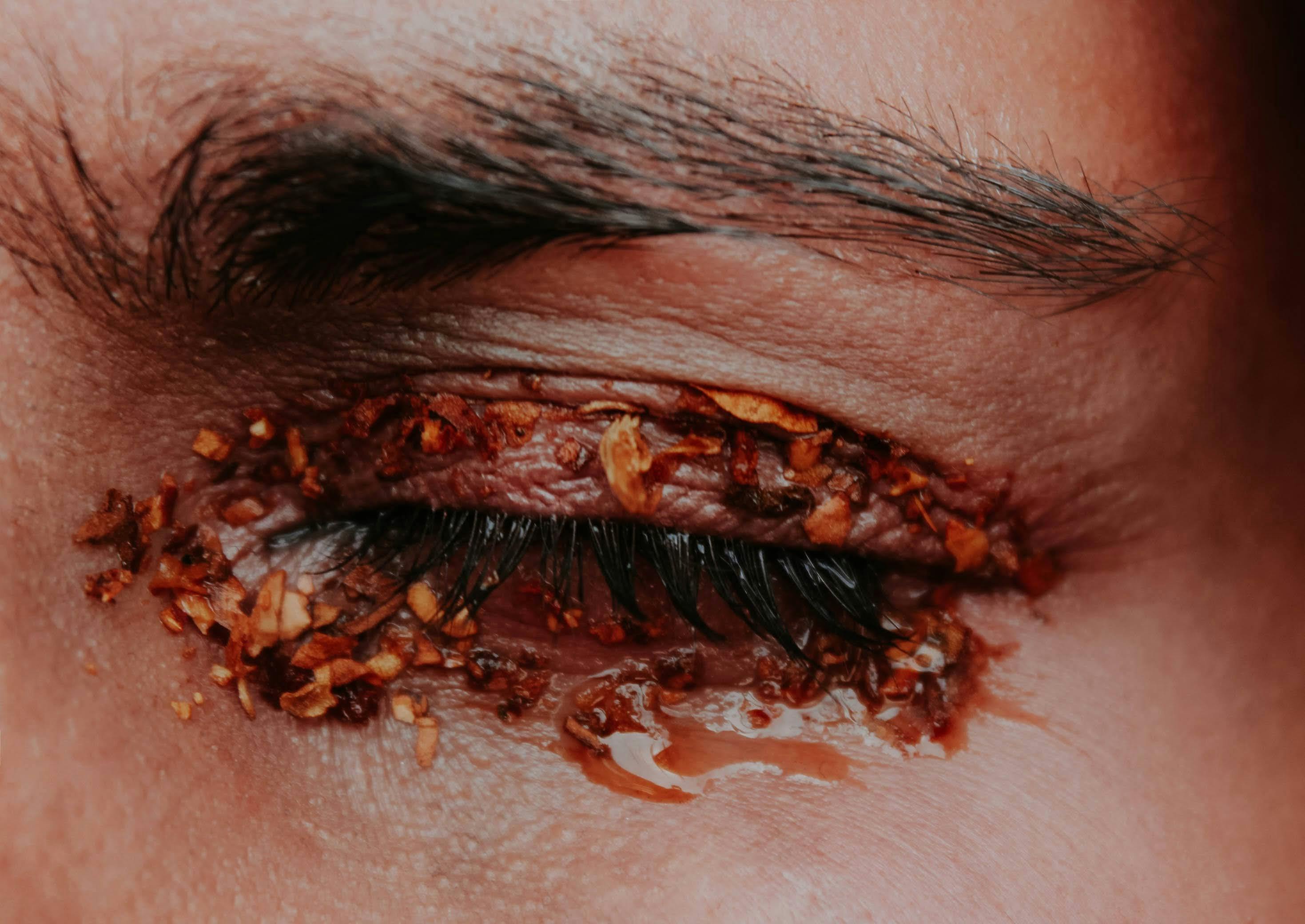
In blepharitis the meibomian glands become blocked and infected. Lipid secretion is reduced and of poor quality. Cosmetically the lids can look red and inflamed. The lids can become encrusted which can feel uncomfortable. The poor lipid production will severely reduce tear quality making the eyes feel irritable, gritty or itchy. Finally the eyes may also tear excessively because the lids and lipids are unable to support the tear layer. Some people are prone to blepharitis but it will be aggravated by smoky, dusty or dry atmospheres. Topical and systemic antibiotics may help, but since it is a chronic problem it will recur once the medication course is completed. Long term control of the problem is difficult but the modern treatments outlined in this Fact Sheet are much more effective and as Medical Optometrists, we can actively treat, rather than simply manage the problem.
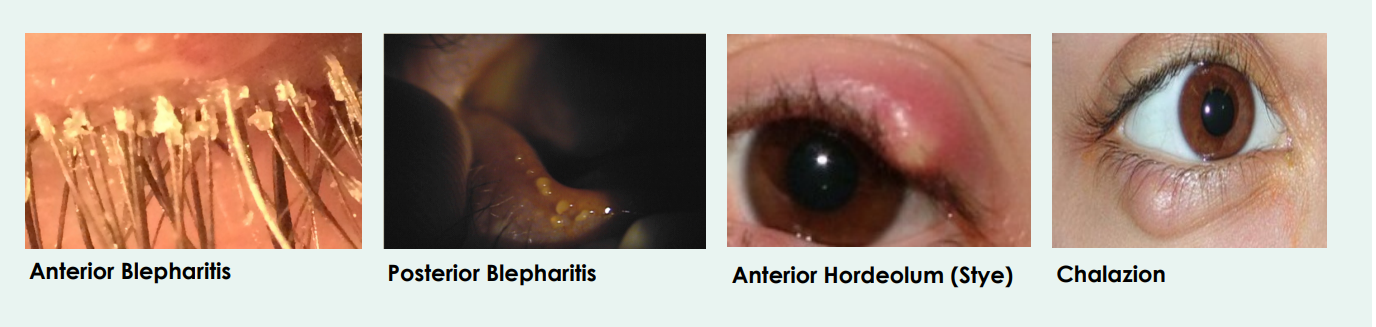
Anterior Blepharitis, Posterior Blepharitis, Hordeolum (Stye) and Chalazia all involve lidglands. Styes are infections of the glands and are painful - these usually resolve but for recurrent or chronic styes we can prescribe a course of systemic antibiotics (Doxycycline or Lymecycline). Chalazia form when the glands are fully blocked. These are not infected and not painful. However they are difficult to resolve. Surgically they can be excised but this is not done routinely anymore, heat and expression is the treatment of choice but it does not always work. It is better to deal with blepharitis to prevent these more significant episodes occurring.
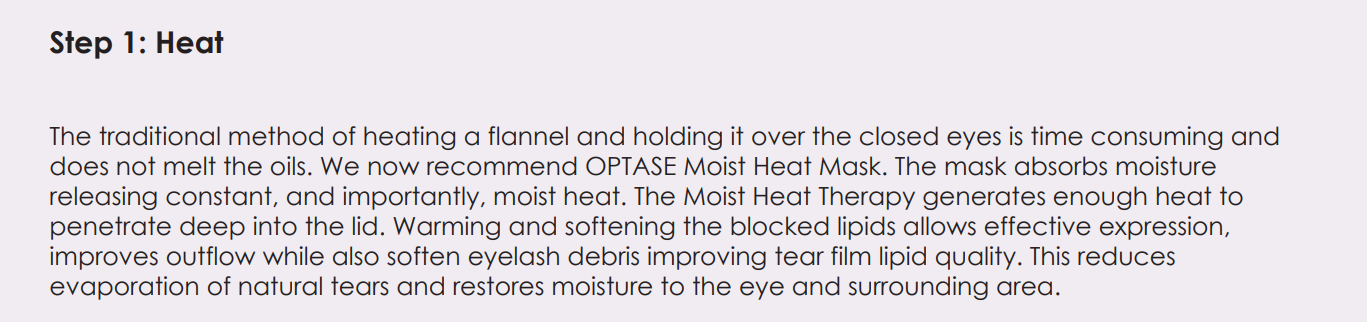
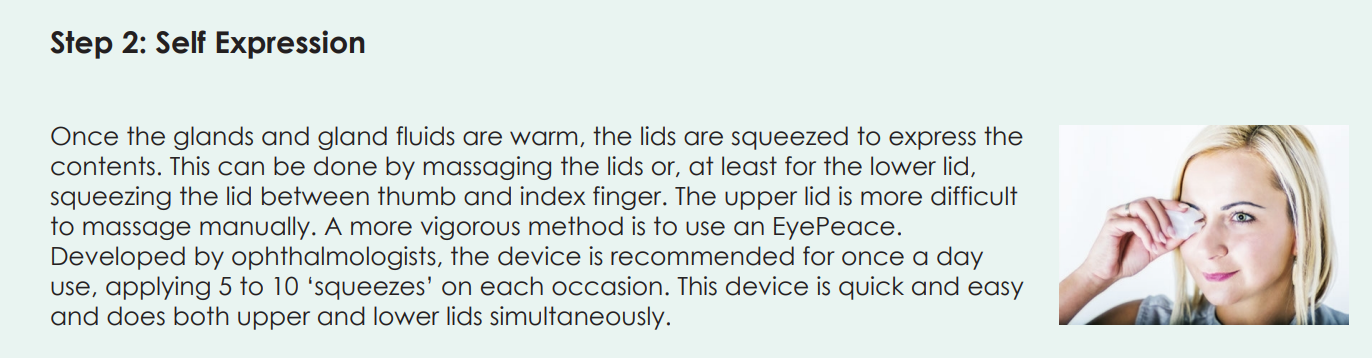

The International Workshop on Meibomian Gland Dysfunction recommends performing meibomian gland expression at the earliest clinical sign. Prior to expression, a heat mask is applied for 10 minutes to soften the gland oils which will improve the effectiveness of expression Next topical anaesthetic is instilled. Starting with the lower lid, the patient looks up and the paddles are aligned against the outer and inner surface of the lids. Moving from the nose toward the outer lid the lids are gently squeezed between the paddles to express the thickened oils. For the upper lid the patient looks down and the upper lid is pulled slightly off the eye. A similar procedure expresses the glands in the upper lid.
Because debris builds up on the eyelids and hardens, it forms a layer blocking the openings to the meibomian glands. Further, this allows bacteria and toxins to reduce lipid production. The blockage coupled with increased bio-load cause irritation. The Blephex treatment involves a soft, medical grade sponge moving across the eyelid margins. As the implement spins itremoves debris, bacteria and toxins from the lid margins keeping the glands clean and open. Both Therapeutic Expression of the glands and Blephex must be performed by a trained clinician in the practice. The procedure must be repeated, usually every six months but more frequently in difficult cases. To be fully effective, in between treatments the usual lid hygiene regime should be maintained.
Topical 'Soft' Steroids
Prescribing short-term soft steroid (Fluorometholone) ointment overnight can improve symptoms when used over two to four weeks for posterior blepharitis.
Systemic Antibiotics
As Medical Optometrists we may prescribe, for severe cases, a course of Doxycyclineor Lymecycline for 6 weeks to control acute flare-ups, reduce inflammation and stabilise the lipid layer. This however, must be followed with ongoing lid hygiene.
As Medical Optometrists we feel it is important to mirror the clinical management recommendations of the ophthalmology department at the Royal Victoria Infirmary. All lubricants, wipes and tablets prescribed by us are those recommended by them.
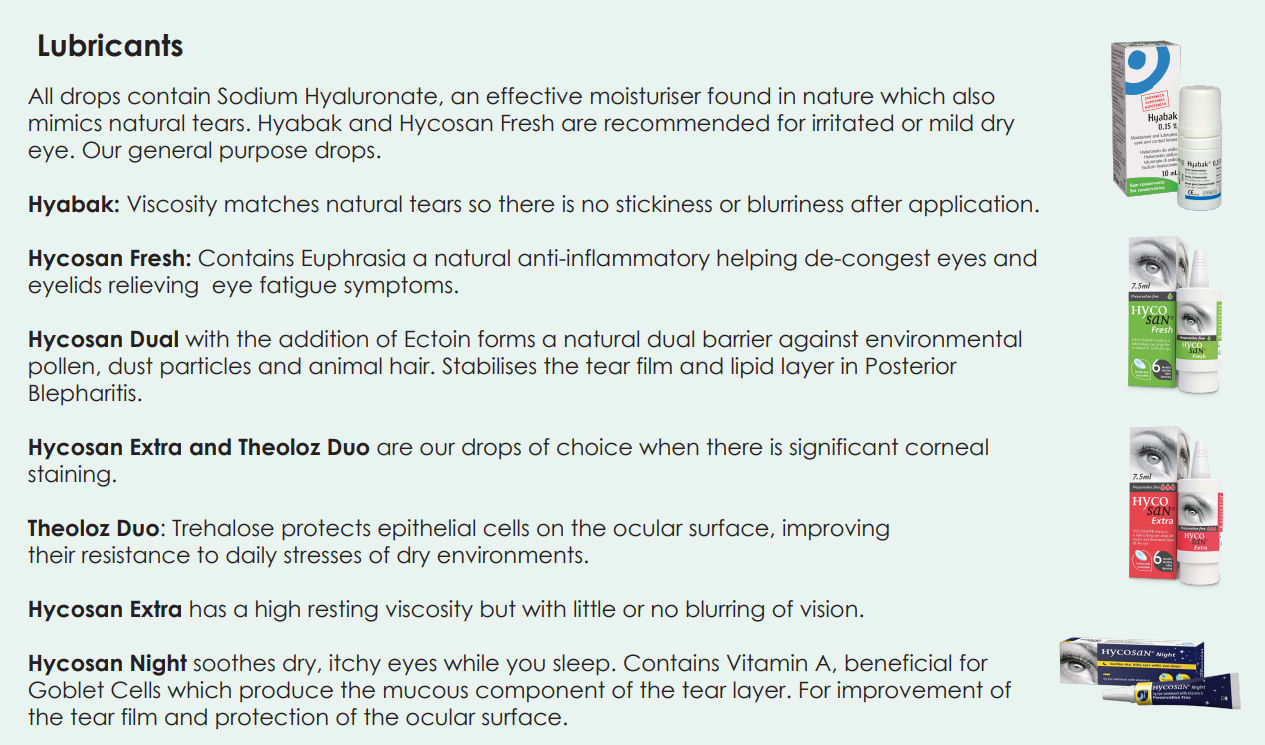
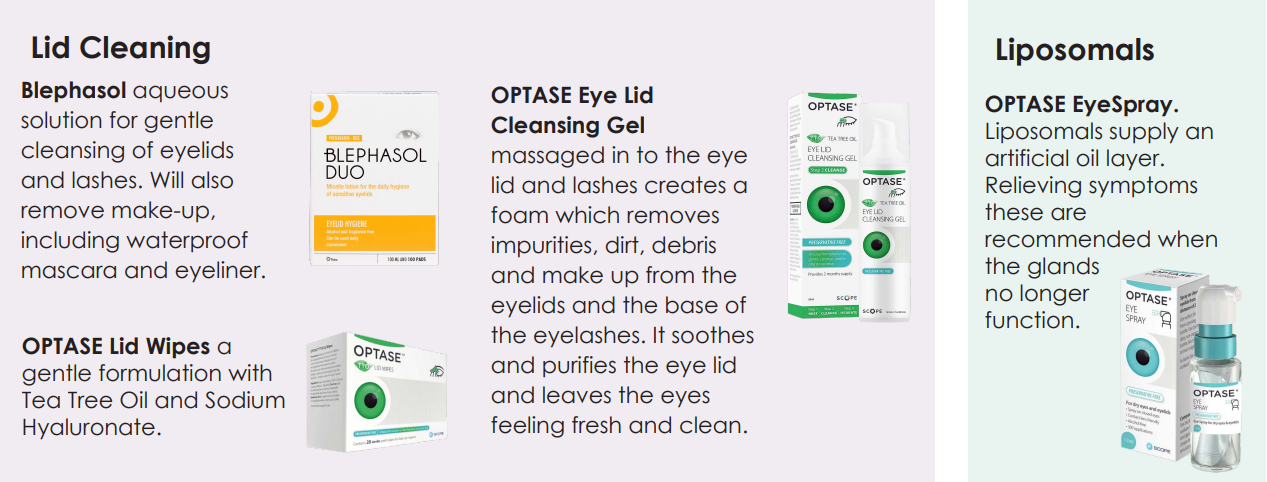
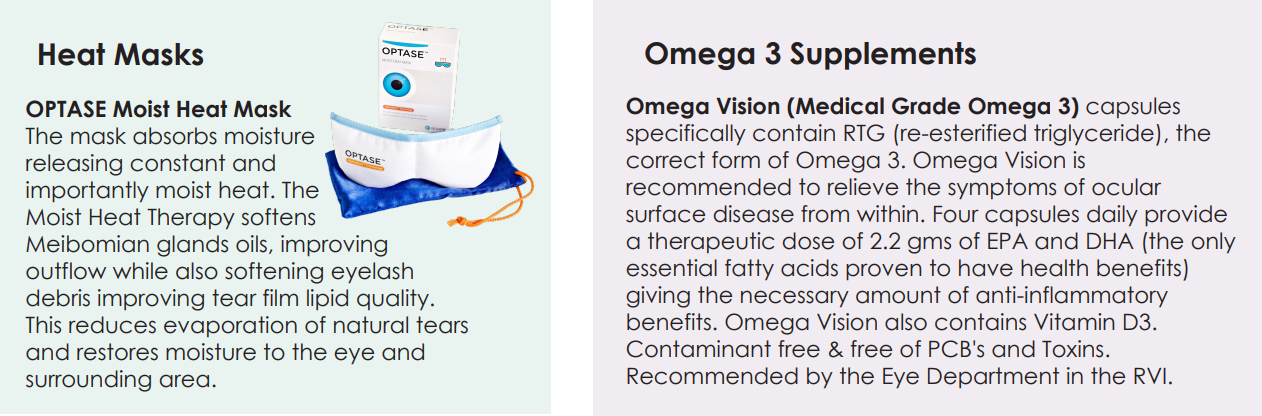
As Medical Optometrists we feel it is important to mirror the clinical management recommendations of the ophthalmology department at the Royal Victoria Infirmary. All lubricants, wipes and tablets prescribed by us are those recommended by them.



.jpeg)

